Loading...
Serving Queen Creek, AZ and surrounding areas. (480) 919-2298
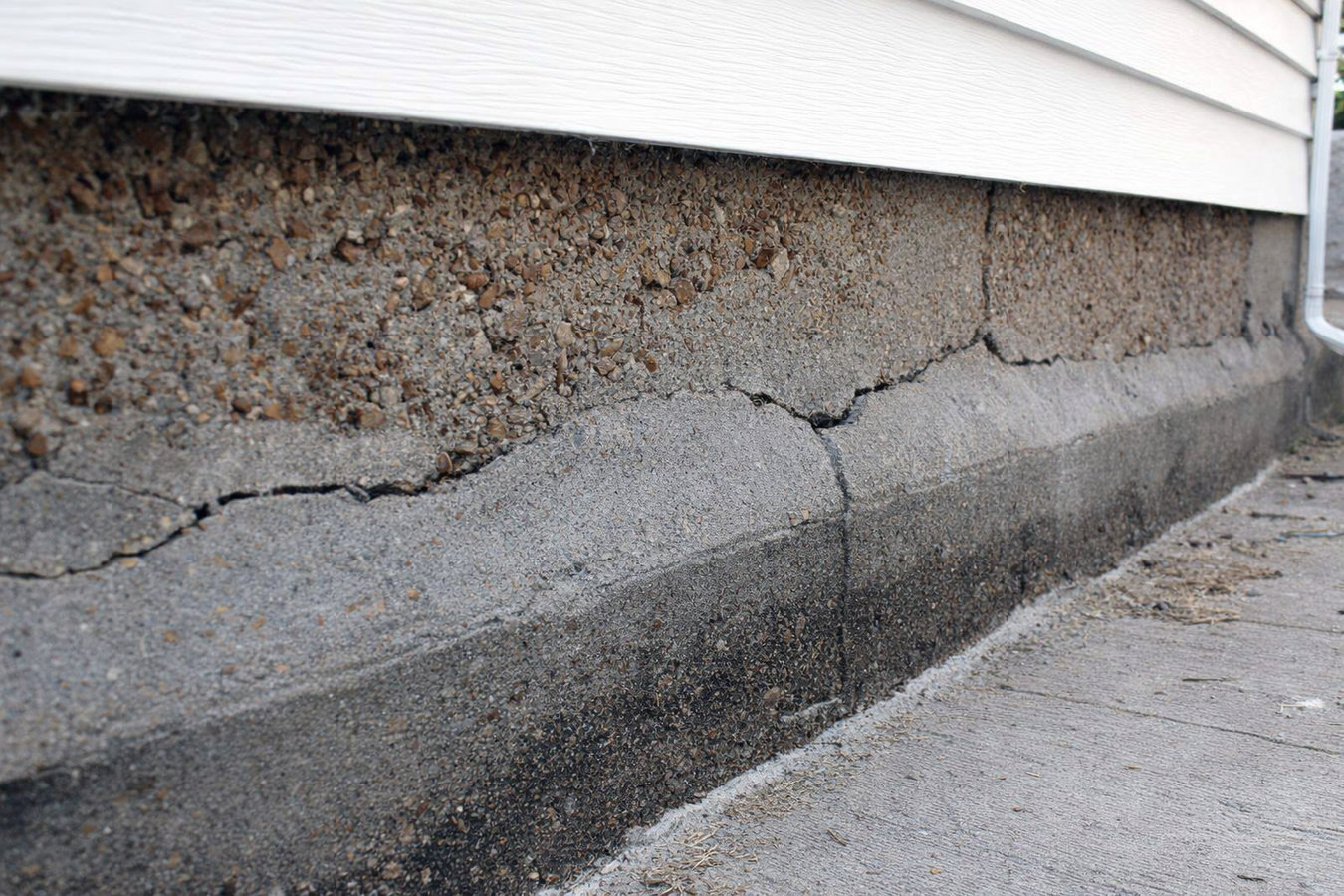
Settled or uneven foundations are a common problem in Queen Creek's expansive clay soils. We raise and stabilize foundations with proven methods that address the cause of the movement, not just the symptom.
Foundation raising - sometimes called slab lifting or mudjacking - is the process of restoring a settled concrete foundation back toward its original level by filling the voids that formed beneath it. In Queen Creek, where expansive clay soils expand and contract with every rain cycle and dry stretch, these voids are the normal result of soil that was not engineered to stay in place under a structure indefinitely.
The work involves drilling small holes through the settled concrete and injecting material - either a concrete slurry in the case of slabjacking, or rapidly expanding polyurethane foam - until the slab lifts back toward level. A repair that goes well is largely invisible afterward: the access holes are patched, the slab is level, and the structure above it stops shifting. The difference in long-term outcome comes from accurately diagnosing why the slab settled and whether the repair method chosen actually addresses that cause.
If your foundation has settled to the point that replacement is the better answer, our foundation installation service handles new pours for homes, garages, and additions across Queen Creek. We will tell you honestly during the assessment which approach makes more sense for your specific situation.
If you can feel a noticeable slope walking across your floor, or a ball placed on the floor rolls consistently in one direction, the slab beneath may have settled unevenly. In Queen Creek, this typically happens when the soil under one section of the slab compresses or moves more than another - often tied to differential moisture content across the lot.
Cracks where one side sits visibly higher than the other - rather than a simple hairline crack that is flat on both sides - indicate the concrete has moved, not just shrunk. This type of cracking is a reliable sign that settling is happening and is more urgent than surface cracks.
A settled foundation shifts the door frames and window openings above it. Doors that suddenly stick in summer are often blamed on humidity swelling the wood, but in the desert Southwest - where outdoor humidity is rarely the issue - foundation movement is a more likely explanation. If multiple doors in the same area of the home are affected, that is a stronger indicator.
Walk around the perimeter of your home and look where the bottom of the wall meets the slab. A visible gap - even a small one - between the slab edge and the wall or exterior stucco can indicate the slab has settled away from the structure. This is especially relevant in Queen Creek's ranch-style homes where the transition is visible from outside.
Every project begins with an on-site assessment. We look at the extent and pattern of settling, evaluate the condition of the concrete itself, and check for drainage or irrigation issues that may have contributed to the void formation. That assessment informs the repair recommendation - including whether raising is the right answer, which method is appropriate, and whether any drainage corrections need to happen alongside the lift to prevent recurrence.
For slabs that have shifted enough to require controlled removal before a new pour, our concrete cutting service handles precise slab removal so only the damaged section comes out - not the surrounding concrete you want to keep. That targeted approach reduces both cost and project disruption, and it pairs naturally with a lifting assessment on the adjacent slab.
Settled floors inside the home - living areas, garages, utility rooms - where differential settling has created uneven surfaces or door-clearance problems.
Exterior concrete surfaces that have tipped toward the house or settled unevenly - a drainage and safety concern that also affects curb appeal.
Settled driveway panels that create tripping hazards or uneven loading for vehicles - addressable without full driveway removal in many cases.
For homeowners preparing to sell in Queen Creek's active market - a professional assessment and, if needed, lifting to document that the foundation has been evaluated and addressed.
Queen Creek's soil is not uniform. Some areas of town have well-draining sandy loam that is relatively stable once compacted. Others - particularly former agricultural land that has been developed in recent years - sit on clay-heavy soil with deep moisture memory: the ground expands and contracts in response to seasonal water and stays reactive for years. The rapid pace of development in Queen Creek also means that some lots were built on soil that was graded and compacted quickly to meet builder schedules, without the time needed for the disturbed soil to fully settle before a slab was poured on top.
We work throughout the East Valley including Gilbert and Chandler, where similar expansive soil conditions produce similar settling patterns. The Arizona Geological Survey documents the distribution of expansive clay soils across the Phoenix metro - Queen Creek's eastern neighborhoods fall squarely within the higher-risk zones for foundation movement. That is not a reason to panic, but it is a reason to take any sign of settling seriously and get a professional assessment before symptoms become structural problems.
Call or submit a form and we respond within 1 business day. We come to your property, walk the affected areas, assess the pattern and severity of settling, and check for contributing factors like drainage issues or irrigation lines running too close to the foundation. You get an honest evaluation of the situation before any repair decision is made.
We provide a written quote that specifies the repair method (slabjacking or foam injection), the area to be addressed, and the expected result. If the assessment shows the slab is too far gone for lifting to be a durable fix, we will tell you that upfront and explain what a replacement would involve.
The crew arrives with the appropriate equipment, drills access holes in the pattern required for your repair, injects the lifting material, and monitors the lift until the target elevation is reached. Most residential jobs are completed in a single visit - no extended site occupation or major disruption to daily life.
Access holes are patched and cleaned. You receive a description of what was done and any recommendations for preventing recurrence - typically drainage adjustments or irrigation management guidance. The site is returned to a usable condition the same day.
We respond within 1 business day. There is no obligation and no high-pressure sales approach - just an honest assessment of what is happening with your foundation and what your options are.
(480) 919-2298Our Arizona Registrar of Contractors license is current and publicly verifiable at roc.az.gov. Concrete work on a settled foundation is structural work - hiring an unlicensed contractor for this type of repair leaves you with no state-level consumer protection if the repair fails.
We do not recommend repairs we do not believe will hold. If your slab needs replacement rather than lifting, we tell you that during the assessment - not after we have already started drilling. That transparency is the basis for the long-term customer relationships we have built across Queen Creek and the East Valley.
We work across 12 cities in the Phoenix metro and see Queen Creek's specific soil conditions regularly. Our assessment of your settling is informed by years of working on properties built on the same clay-heavy, caliche-prone ground as yours - not a generic evaluation that treats all desert soils the same.
Foundation raising does not require permits in most residential repair scenarios, which means we can often complete the assessment, write the quote, and schedule the repair within a short window. For homeowners facing a sale timeline or concerned about ongoing movement, that speed matters.
That combination - a verifiable license, honest pre-repair assessment, local soil knowledge across 12 service cities, and the ability to move fast when a repair does not require a permit - is why Queen Creek homeowners call us first when they notice their foundation is not where it used to be.
When a settled slab is too far gone to raise, we install a new foundation - permitted, inspected, and engineered for Queen Creek's soil conditions.
Learn morePrecise slab removal using diamond-blade equipment - the right first step when a settled section needs to come out cleanly before a new pour.
Learn moreCall now or fill out the form - we respond within 1 business day and come to your property for a no-obligation evaluation. Foundation settling in Queen Creek does not fix itself, but addressing it early is far less expensive than waiting.