
Loading...
Serving Queen Creek, AZ and surrounding areas. (480) 919-2298
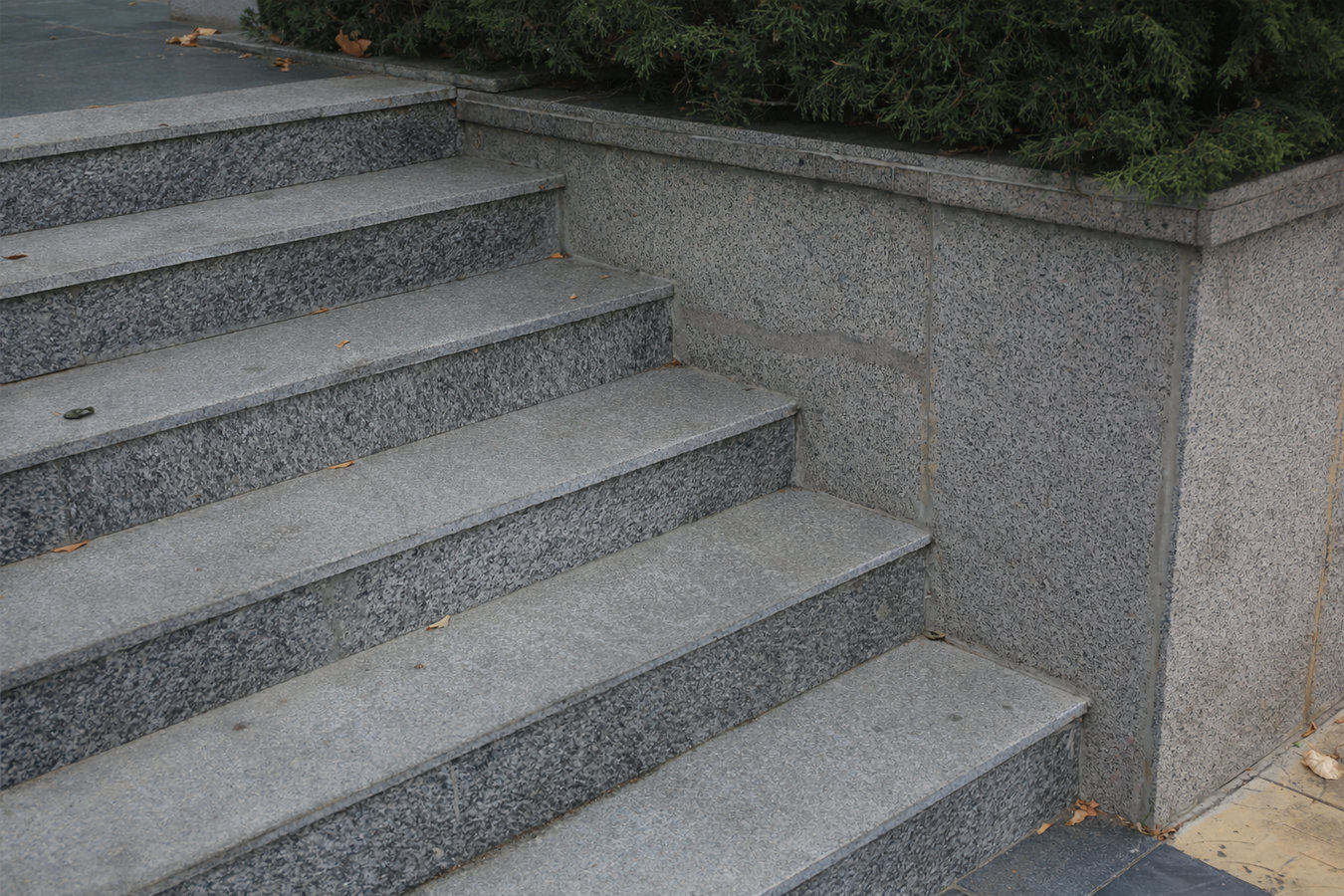
Cracked, tilted, or just too narrow for how your family actually uses them - new concrete steps fix the safety risk and upgrade your entry at the same time.
Concrete steps construction in Queen Creek involves demolishing any existing steps, laying a compacted gravel base, setting forms, pouring a reinforced concrete mix, and finishing the surface for grip and drainage - most residential projects take one to two days of active work, with a 24-to-48-hour wait before the steps can be used again.
A lot of Queen Creek homes were built quickly on the town's rapid growth wave, and builder-grade entry steps often show it - they are minimal in size, can shift as the clay soil moves, and may not drain correctly during monsoon downpours. When those issues compound over time, patching stops working and a full replacement is the right call.
If your project also includes the surrounding outdoor surface, our slab foundation building service can handle the broader flatwork in the same project window, ensuring your steps and surrounding slab are built on a consistent base.
Small surface cracks can be cosmetic, but cracks that run all the way across a step - or are wide enough to catch your fingernail - are a warning sign. In Queen Creek, expansive clay soils and intense summer heat accelerate this kind of cracking, especially in steps that were not built with a proper base. Once cracks reach a certain depth, water gets in, damage spreads, and patching becomes less effective than replacement.
If your steps feel like they slope toward you or you can see a visible lean from the side, the base underneath has shifted. This is a safety hazard - tilted steps are a trip risk for children and older adults. Ground movement from Queen Creek's clay-heavy soils is one of the most common causes of this problem in homes that are more than ten years old.
After a monsoon storm, water should run off your steps and away from your entry. If puddles sit on the treads or collect at the base of your door, the steps were not built with enough forward pitch - or they have settled into a position where they now hold water. Standing water at your entry can damage your door threshold and, over time, work its way under your foundation.
Concrete edges take a lot of wear, and when they start to crumble or chip, the structural integrity of the whole step is compromised. This deterioration is also a trip hazard. If you can knock pieces loose with a light tap, the concrete has weakened beyond what a surface patch can fix and the steps need to be replaced.
Every steps project starts with removing and hauling away the existing structure, then excavating and laying a compacted gravel base that is thick enough to absorb the soil movement Queen Creek yards experience through the monsoon cycle. Forms are set to the exact dimensions you need - whether that means a wider tread, a lower rise height for easier access, or a landing at the top. The concrete is poured in one continuous session and finished with the texture and pitch you specify.
For entry situations where you want a more finished look, we offer stamped and exposed-aggregate finishes alongside standard broom textures. Properties that also need a sidewalk connecting the entry to the street or driveway can pair this work with our concrete sidewalk building service, keeping the crew visits and permit applications to one round instead of two.
Most residential entries - practical, slip-resistant texture that handles monsoon rain and is the most affordable option.
Homes upgrading from narrow builder-grade steps that are difficult to use when carrying groceries or assisting older family members.
Homeowners who want the entry to complement a decorative driveway or patio with a stone or tile appearance.
Entries with more than four risers or where a wider transition between the door and steps is needed for safety.
Queen Creek has grown faster than almost any other town in Arizona over the past decade, and many of its neighborhoods were built at speed with entry steps that just met the minimum. Now those homes are aging into the 10-to-20-year range, and the soils underneath - clay-heavy and prone to seasonal movement with every monsoon wet-dry cycle - are doing what they always do. Steps that were barely adequate when built are now tilting, cracking, or pooling water at the door. The Town of Queen Creek Development Services department requires permits for attached entry steps, and navigating that process correctly up front avoids problems when you eventually sell.
We work throughout Queen Creek and into Gilbert, where similar soil and permit conditions apply. In Chandler, many master-planned communities have HOA requirements for entry materials and finishes, so knowing what to check before work begins is part of the job. Pouring concrete in desert heat also requires scheduling discipline - early morning starts in summer are not optional, they are how you avoid surface cracking before the slab has properly cured.
Reach out by phone or form and we respond within 1 business day to schedule a free on-site visit. We ask a few questions upfront - the size and configuration of the steps you need, whether old steps have to come out first, and your finish preference.
We measure the entry, assess the existing steps and soil conditions, and discuss options - including rise height, width, and finish. You get a written quote with costs broken out before any work is scheduled. No surprises after you sign.
If your project requires a permit - which is typical for entry steps attached to the home - we submit the application to Queen Creek Development Services on your behalf. Permit approval typically takes a few days to two weeks depending on current department workload.
Old steps come out first. The gravel base goes in, forms are set, and the concrete is poured and finished the same day on most residential jobs. Stay off the steps for 24 to 48 hours. Once the inspector signs off, we do a final walkthrough with you before we leave.
We respond within 1 business day - no obligation, no pressure. After you submit, someone from our team will call to schedule a free on-site visit and give you an accurate written quote for your Queen Creek steps project.
(480) 919-2298Our license is active and verifiable through the Arizona Registrar of Contractors - check it yourself in under two minutes. Insurance protects your property if anything goes wrong during the job.
We use a properly compacted gravel base on every steps project because the clay soils here move with every monsoon season. That base prep is what separates steps that stay level for twenty years from ones that tilt and crack in three.
We complete concrete steps projects in Queen Creek and 11 surrounding communities - enough volume to know which neighborhoods have HOA guidelines for entry materials and what Queen Creek's permit process looks like at different times of year.
Summer pours are scheduled before sunrise to give the concrete the right curing conditions. We would rather adjust a schedule than deliver steps that crack before the first full year is up.
Every point above is aimed at the same outcome: steps you can rely on from the first monsoon season forward. You can verify our license status and review any contractor complaints at the Arizona Registrar of Contractors before you decide.
Concrete slabs for new structures, additions, or yard areas - built on compacted bases designed for Queen Creek's expansive soils.
Learn moreConnect your entry steps to the driveway or street with a properly graded concrete walkway built to match your steps.
Learn moreFall is the best season for concrete work in Queen Creek - call now or submit a form and we will respond within 1 business day to schedule your free on-site estimate before spots fill up.