Loading...
Serving Queen Creek, AZ and surrounding areas. (480) 919-2298
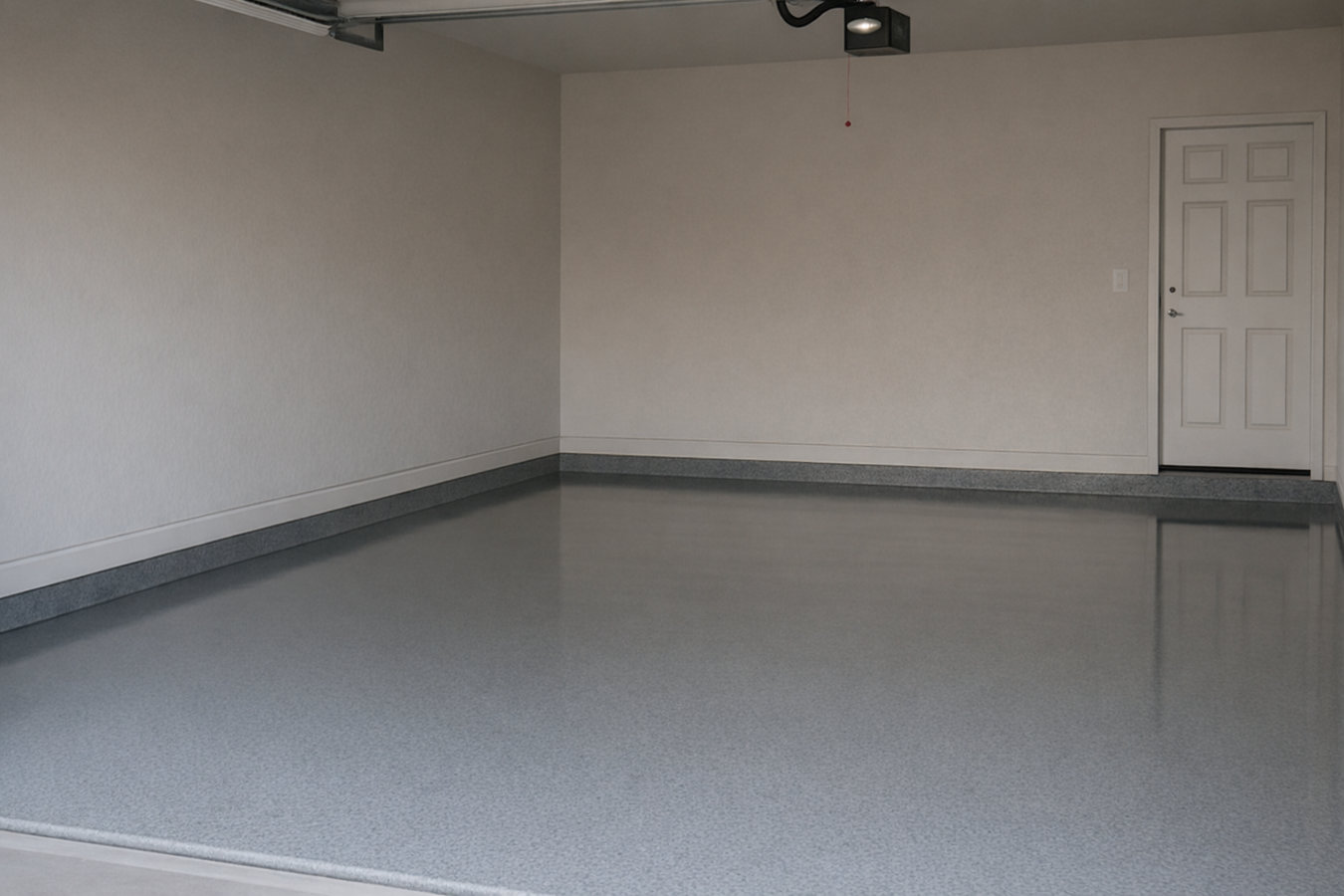
Cracked, hollow, or non-existent floor holding a space back? A properly poured concrete floor built for Queen Creek's heat and desert soil gives you a surface that holds up through years of Arizona summers.
Concrete floor installation in Queen Creek starts with removing any existing material, grading and compacting the soil, and adding a gravel base - then forming, pouring, and finishing the slab to the correct thickness for the space and its intended use. Most residential projects take one to three days of active work depending on the area size.
The biggest risks in Queen Creek are desert soil that shifts under a slab if sub-base prep is skipped, and summer heat that dries concrete too fast on the surface before it hardens through. Both problems are preventable with the right process - but both are also invisible at the time of the pour, which is why the work done before the concrete truck arrives matters as much as the pour itself.
If you need a finished concrete surface for an outdoor space, our garage floor concrete service handles dedicated garage pours with the specific thickness and finishing options that work best in enclosed residential spaces.
Small hairline cracks are common in older concrete, but cracks wider than a quarter-inch - or cracks where one side sits higher than the other - mean the slab is no longer structurally sound. In Queen Creek, this kind of cracking often traces back to expansive desert soil shifting under the slab after monsoon rains or heavy irrigation. If you can fit a coin into the crack, it is time to get an opinion.
Walk across the floor and knock on it with your knuckle or a rubber mallet. A solid slab sounds dense and flat. A hollow echo means the concrete has separated from the base beneath it - a condition called delamination. This is a structural problem that tends to get worse over time, not a cosmetic one you can ignore.
If your garage or patio floor stays damp in dry weather or shows standing water after rain, moisture is getting in from below. In Queen Creek, monsoon season can push water under slabs that were not properly sealed or that sit on poorly graded soil. Persistent moisture damages anything stored on the floor and can create mold conditions over time.
If you are finishing a garage, adding a workshop, or building an addition, you may need a new concrete floor poured from scratch. This is a planned project, not a repair - but it still requires a permit in Queen Creek and a properly prepared sub-base to meet local building standards and give the space a solid, long-lasting surface.
Every floor project starts with site preparation: removing existing material, grading, compacting the sub-base, and laying a gravel layer where the soil conditions require it. We install steel reinforcement - rebar or welded wire mesh - inside the slab to hold it together if any cracking occurs. Control joints are cut into the finished surface at regular intervals to guide any future cracks into straight, planned lines rather than random ones across the middle of the floor. A vapor barrier is included where the floor will have finished flooring laid on top of it.
For spaces that need more than a plain slab, we offer broom finishes, smooth trowel finishes, and surfaces prepped for coating or overlay. For homeowners who want a pool or outdoor entertaining area alongside the floor project, our concrete pool decks service extends that same level of sub-base preparation and finishing quality to outdoor concrete surfaces around the pool.
Homeowners replacing a cracked or damaged garage slab, or pouring a new one in an addition or conversion.
Outdoor living spaces that need a level, durable surface that holds up to Queen Creek's UV and heat cycles.
Garage-to-living-space or addition projects that require a new floor meeting residential building code requirements.
Spaces that will see heavy equipment, vehicles, or high foot traffic and need a thicker, reinforced pour.
Queen Creek regularly sees summer temperatures above 110 degrees Fahrenheit, and fresh concrete poured in that heat can dry too fast on the surface before it has set properly underneath. This leads to surface cracking and a weaker slab that may look fine on day one but fails within a few years. Most experienced local contractors schedule summer pours for early morning - often starting before sunrise - and use curing compounds or cover the surface to keep moisture in during the hardening process. If a contractor has no plan for managing extreme heat, ask the question before you sign.
The desert soil in Queen Creek contains caliche and expansive clay that shift with every wet-dry cycle through monsoon season and irrigation. We work throughout the area, including Mesa and Chandler, where the same soil conditions apply. On every project here, we remove unstable material, compact the sub-base, and add a gravel layer before the pour - the steps that determine whether a floor holds up for decades or starts cracking within a few years.
Call or submit a form and we respond within 1 business day to schedule a free visit. We measure the area, check soil conditions, and ask about the intended use of the space before writing your quote - thickness and reinforcement requirements vary based on what the floor will need to support.
Once you approve the estimate, we submit the permit application to Queen Creek's Building Safety Division on your behalf. Depending on the time of year, permit approval can take a few days to a couple of weeks - we plan your project timeline around this so the crew is ready as soon as the permit clears.
The crew removes any existing material, grades the soil, and compacts the sub-base before adding a gravel layer. In Queen Creek, this prep phase is where most of the long-term quality is determined - a floor that will last sits on a solid, properly compacted base, not on native desert soil alone.
In summer, the crew arrives before sunrise to beat the heat. Concrete is poured, leveled, and finished in one continuous session. After the pour, the surface is protected while curing. You can walk on it in 24 to 48 hours - keep vehicles off for 7 days. The permit inspection is scheduled and completed before the project is closed out.
We respond within 1 business day - no obligation, no pressure. After you submit, someone from our office will call to schedule a free on-site visit so we can measure your space and give you an accurate written quote.
(480) 919-2298Our license is active and searchable on the Arizona Registrar of Contractors website - you can verify it in two minutes before signing anything. Insurance protects your property during the job, and our license confirms we meet state standards for concrete slab work.
Queen Creek soil moves. Every floor we pour includes proper sub-base compaction and a gravel layer designed for local soil conditions - not a shortcut that looks fine on day one and starts cracking within two years. This step is what separates a floor that lasts from one that does not.
We schedule triple-digit-summer pours before sunrise and apply curing protection to keep the slab hydrating properly. Serving 12 cities across the Phoenix metro means we have managed these conditions on hundreds of projects - this is not a workaround for us, it is standard procedure.
We handle every permit application with the Town of Queen Creek and schedule the final inspection before we close out your project. You receive a documented record that the work was reviewed and passed - which protects your home's value and removes any complications if you sell or refinance later.
A concrete floor that is poured correctly - on a solid base, at the right time of day, with proper curing - is a surface you will not think about for decades. The Portland Cement Association publishes detailed guidance on hot-weather concreting and curing best practices - useful context for understanding what proper concrete work in a climate like Queen Creek's actually requires.
Outdoor concrete surfaces around the pool that need the same sub-base care and heat-management approach as any interior slab - designed for Queen Creek's climate.
Learn moreDedicated garage slab pours with the correct thickness and finish options for enclosed residential spaces and heavy vehicle loads.
Learn moreCall now or submit a form - we respond within 1 business day and schedule a free on-site visit. Summer calendar slots fill early, so the sooner you reach out, the easier it is to get a date that works for your project.